How Long Do Dentures Last?
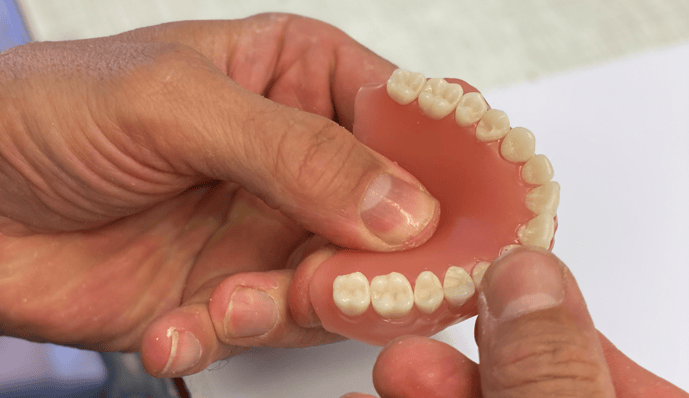
Most full dentures last between five and eight years, while partial dentures often need replacing slightly sooner due to the added wear on the metal or acrylic framework. The exact denture lifespan depends on the material used, how well the dentures are cared for, and how much your gums and jawbone change over time. Regular check-ups can catch fit issues early, often extending the life of your current dentures before a full replacement is needed.
If you're wondering how long dentures last and whether they are still doing their job, the answer usually comes down to comfort, fit, and function rather than age alone.
How Long Do Full Dentures Last?
A well-made set of full dentures typically lasts five to eight years with proper care. This isn't a fixed number, though. Some patients get closer to a decade out of a set, while others notice changes sooner.
A few factors shape this timeline:
- Material quality. Higher-grade acrylics and digitally printed dentures using materials such as NextDent tend to hold their shape and colour longer than older, lower-grade materials
- Jawbone changes. Bone and gum tissue continue to change shape after tooth loss, which can gradually affect how well a denture fits
- Daily wear. Chewing, speaking, and general use all contribute to gradual wear on the denture surface
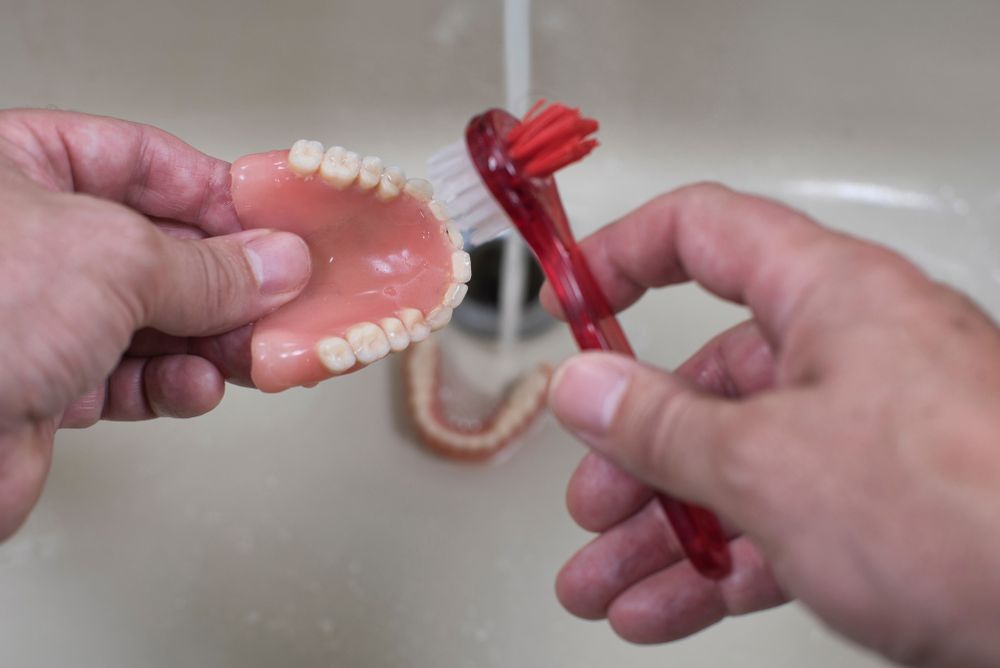
- Home care habits. Cleaning routines and overnight storage both play a role in how long a denture holds up
Even with excellent care, dentures aren't designed to last indefinitely. Over time, the fit changes even if the denture itself looks intact.
How Long Do Partial Dentures Last?
Partial dentures generally have a similar lifespan to full dentures, though the framework, often made from metal or a flexible material such as Valplast, can wear at a different rate depending on how it's used. Clasps and connectors are common points of stress, particularly if a partial denture is removed and reinserted several times a day.
For patients asking how long do partial dentures last, the honest answer is that it depends heavily on the remaining natural teeth. As those teeth shift or if any are lost over time, the fit of the partial can change well before the material itself wears out.
What Affects How Long Your Dentures Will Last
Beyond material and daily wear, a few other factors influence denture lifespan Australia-wide, regardless of clinic or patient.
- Changes in gum shape and jawbone density following tooth loss
- Weight changes, which can subtly affect facial structure and denture fit
- Grinding or clenching habits, which place extra stress on the denture surface
- How consistently dentures are cleaned and stored correctly overnight
- Whether regular check-ups are attended to catch small fit issues early
None of these factors act alone. A denture that's cared for well but hasn't been checked in several years may still develop fit problems simply from gradual changes in the mouth.
Signs You Need New Dentures
Knowing the signs you need new dentures helps avoid discomfort and, in some cases, further oral health issues. Common indicators include:
- Looseness or slipping while eating or speaking
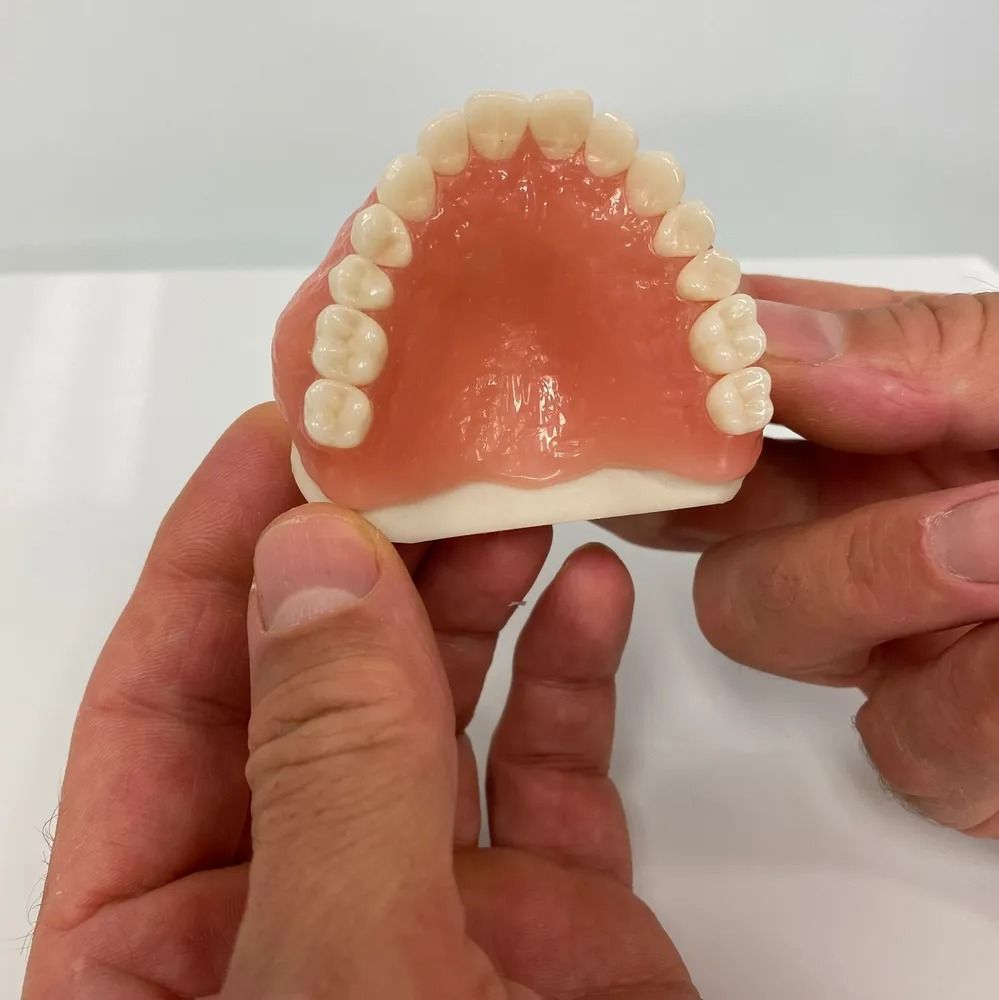
- Visible wear, cracking, or discolouration of the denture material
- Sore spots or irritation that weren't previously an issue
- Difficulty chewing certain foods that were previously manageable
- A change in facial appearance, such as sunken cheeks
If any of these sound familiar, it's worth having your dentures assessed rather than waiting for the problem to worsen.
When to Reline Rather Than Replace
Not every fit issue means a full replacement is needed. If your dentures are feeling loose but aren't worn out entirely, a denture reline Gold Coast patients can access at My Denture Clinic may extend their life significantly. A reline adjusts the fitting surface of the denture to match changes in your gums, without the cost or process of a full replacement.
This is usually a shorter-term solution and works best when the denture itself, aside from the fit, is still in good condition. A reline won't help if the material has degraded or if the teeth themselves are excessively worn.
Full or Partial: Which Option Suits Your Situation
Deciding between a reline, a repair, or full denture replacement often depends on which type you currently wear and what's changed since it was made. If you're considering a replacement, our guide to partial vs full dentures can help you decide which type to go with next, particularly if your circumstances, such as remaining natural teeth, have changed since your current dentures were fitted.
How Often Should Dentures Be Replaced
There's no single rule for how often dentures should be replaced, since it depends on the individual. As a general guide, most patients find their dentures need reassessment somewhere between the five and eight year mark, with some needing attention sooner due to natural changes in the mouth.
Rather than waiting for a problem to appear, a periodic check-up allows small adjustments to be made along the way, which can reduce the likelihood of needing a full denture replacement Gold Coast patients might otherwise face sooner than expected.
Getting Dentures Made or Replaced on the Gold Coast
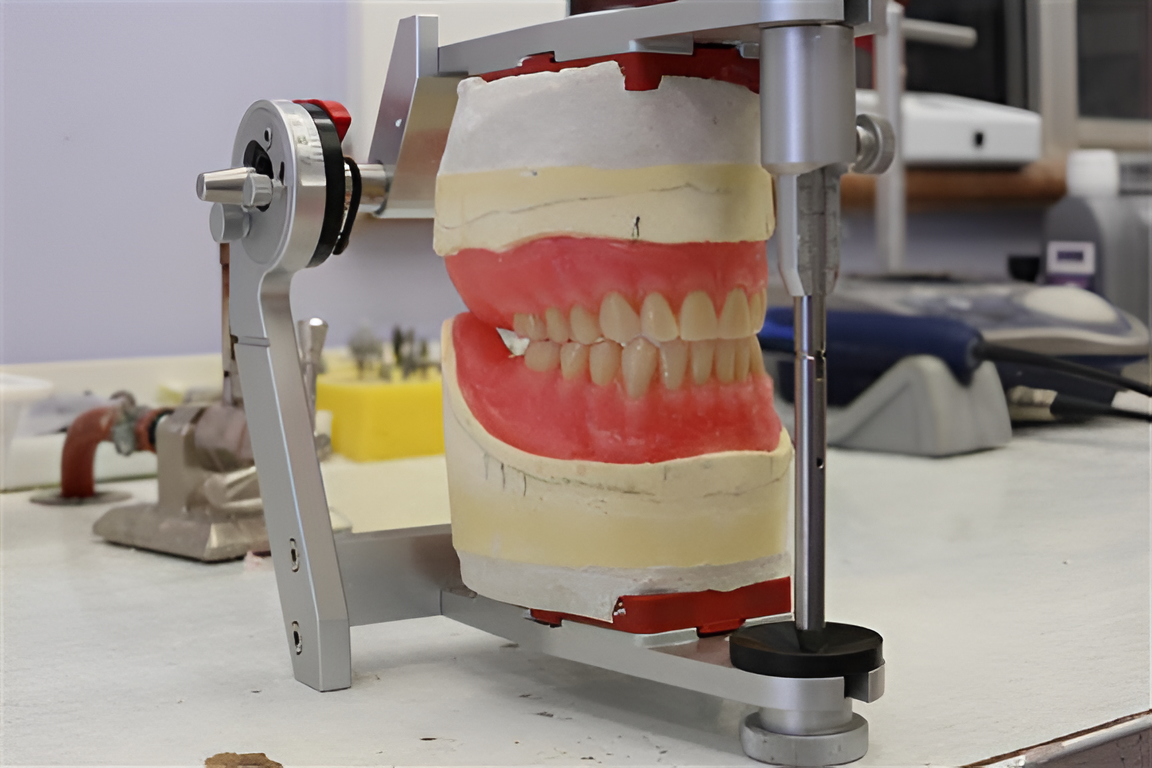
Our team provides custom-crafted dentures Bundall patients and the wider Gold Coast community rely on, with full and partial designs completed in-house using a range of materials to suit individual needs. Whether it's a first-time denture, a reline, or a full replacement, the process starts with an assessment of your current fit and oral health.
Takeaway
Denture lifespan depends on more than just age. Material, oral changes, and care habits all play a role, and regular check-ups are the simplest way to catch issues before they affect comfort or function. If your current dentures feel different to how they used to, it's worth having them assessed rather than waiting for a bigger problem to develop.
Frequently Asked Questions
How long do dentures usually last before needing replacement?
Most full dentures last between five and eight years, depending on material, oral changes, and how well they're cared for. Partial dentures follow a similar timeline but can be affected by changes in the remaining natural teeth.
Can a denture reline extend the life of my dentures?
Yes, in many cases. A reline adjusts the fitting surface to account for changes in the gums, which can extend the usable life of a denture that's otherwise still in good condition.
What are the most common signs that dentures need replacing?
Looseness, visible wear or cracking, sore spots, and difficulty chewing familiar foods are common signs. A change in facial appearance can also indicate it's time for an assessment.
Do partial dentures wear out faster than full dentures?
Not necessarily faster, but partial dentures can be affected by changes in the remaining natural teeth, which may bring forward the need for adjustment or replacement.
How often should I have my dentures checked?
Regular check-ups, even when nothing feels obviously wrong, help catch small fit issues early. This is generally more effective than waiting until discomfort becomes noticeable.