Getting Your First Dentures: What To Expect
Getting dentures for the first time usually means a free consultation, impressions and fittings over several appointments, then a few weeks of adjustment as your mouth learns to speak and eat with them. Most first-time wearers find speech and eating feel unfamiliar for the first two to four weeks, then settle into a comfortable routine. If you're facing this step after tooth loss or a dentist's referral, knowing what happens at each stage takes a lot of the anxiety out of it.
Whether you need a full set or a partial denture, the process is more predictable and more comfortable than most people expect going in.
What Happens When You Get Dentures For The First Time
Your first appointment is mostly about assessment and conversation, not treatment. A denture clinician examines your gums, any remaining teeth and your jaw alignment to understand what you're working with. They'll also ask about your goals, whether that's restoring the ability to chew steak again, feeling confident smiling in photos or simply replacing a tooth you lost months ago.
This is also the appointment where cost gets discussed properly, since pricing varies depending on the type of denture and materials involved. If that's already on your mind, it's worth reading up on how much do dentures cost in Australia separately, since it's rarely a one-size-fits-all number.
By the end of this visit, you should have a clear treatment plan: how many appointments you'll need, roughly how long the process will take and what your denture will actually look and feel like. For example, a patient who has just had several teeth extracted might be advised to wait a number of weeks for the gums to heal before impressions are taken, while someone replacing an old, worn-out denture may be able to start the fitting process straight away.
How Dentures Are Made: From Impressions To Fitting
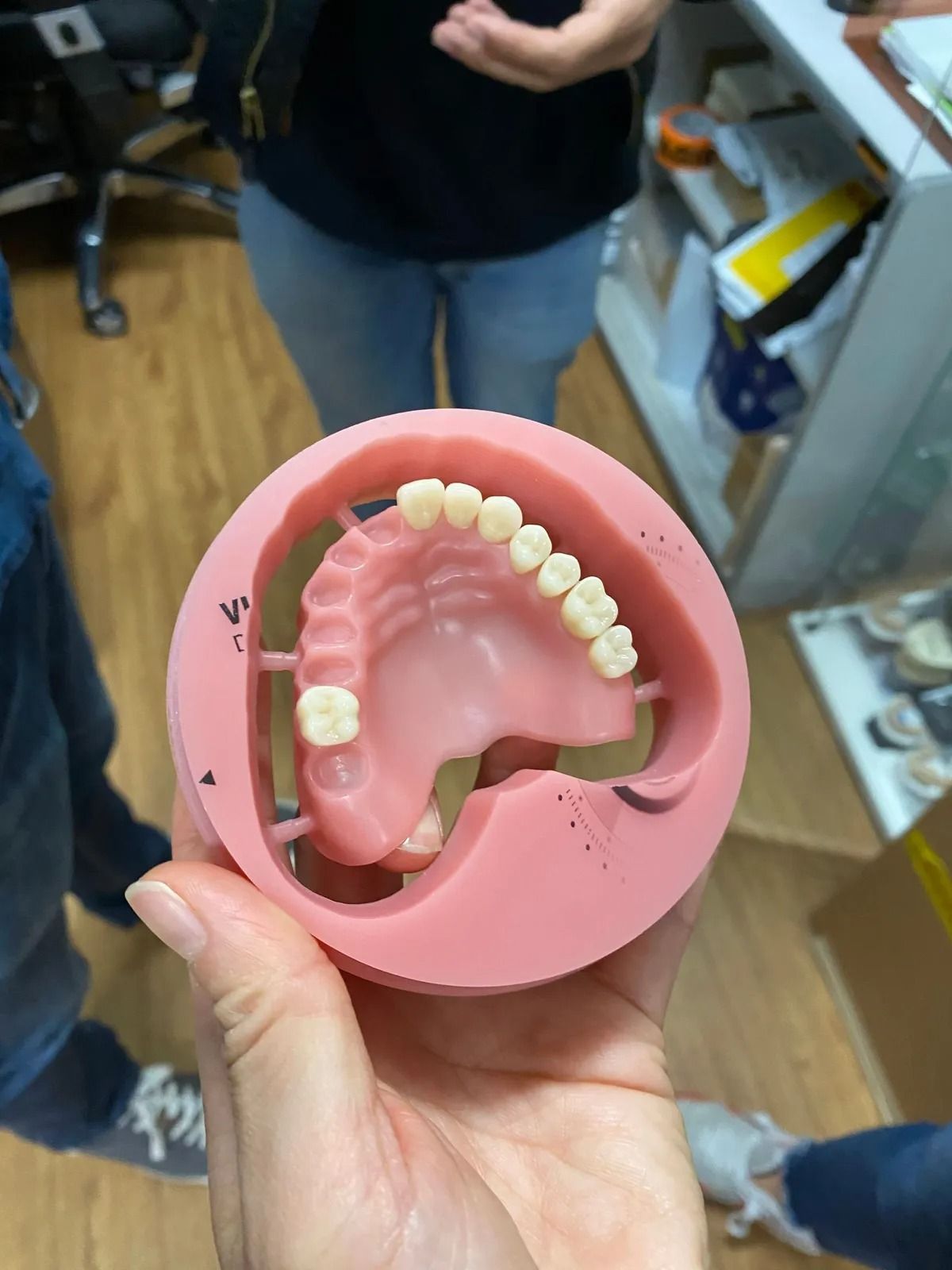
Once you've decided to go ahead, the fabrication process typically runs across three to five appointments over two to four weeks. Each stage builds on the last:
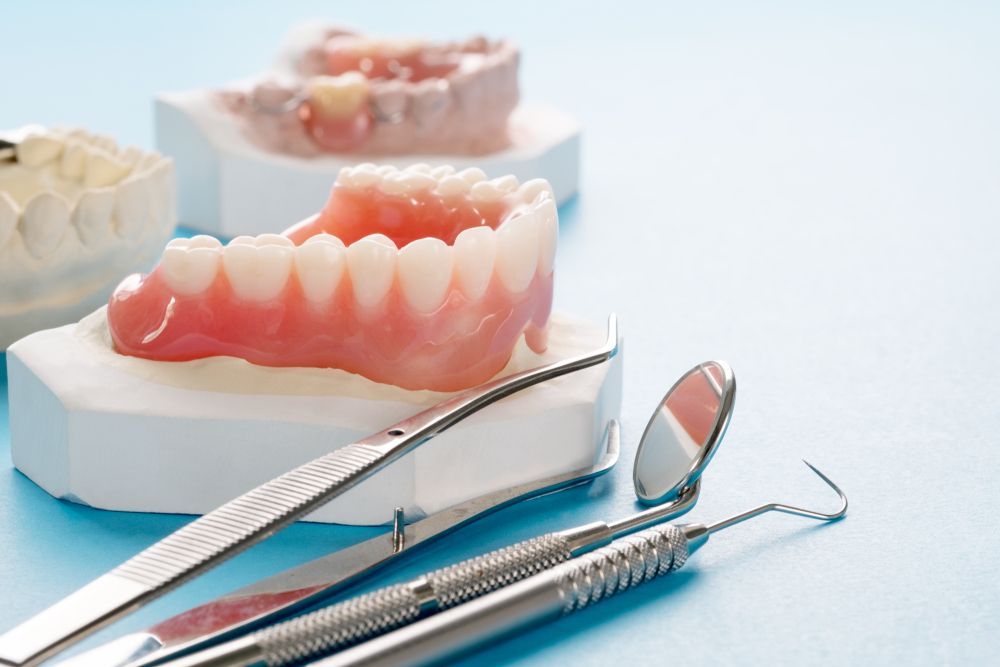
- Impressions and measurements: a mould of your gums and jaw captures the exact shape your denture needs to fit.
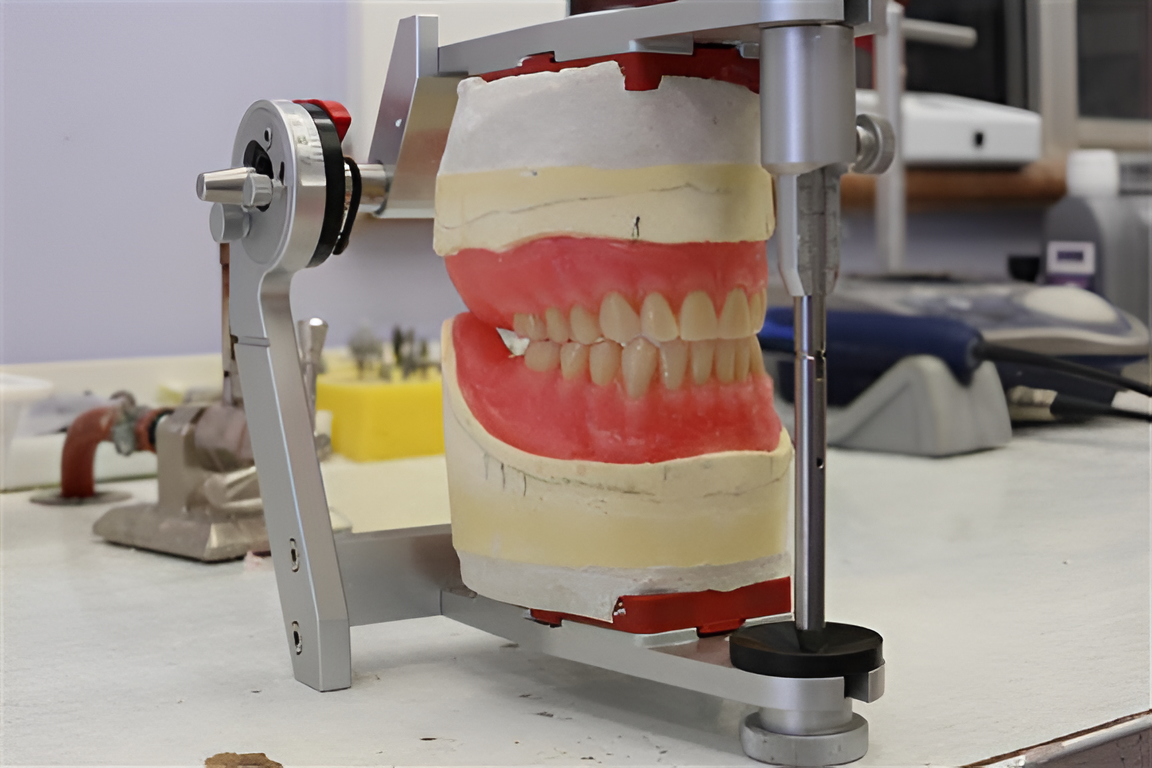
- Bite registration: your clinician records how your upper and lower jaw meet, which determines how your denture will sit and function.
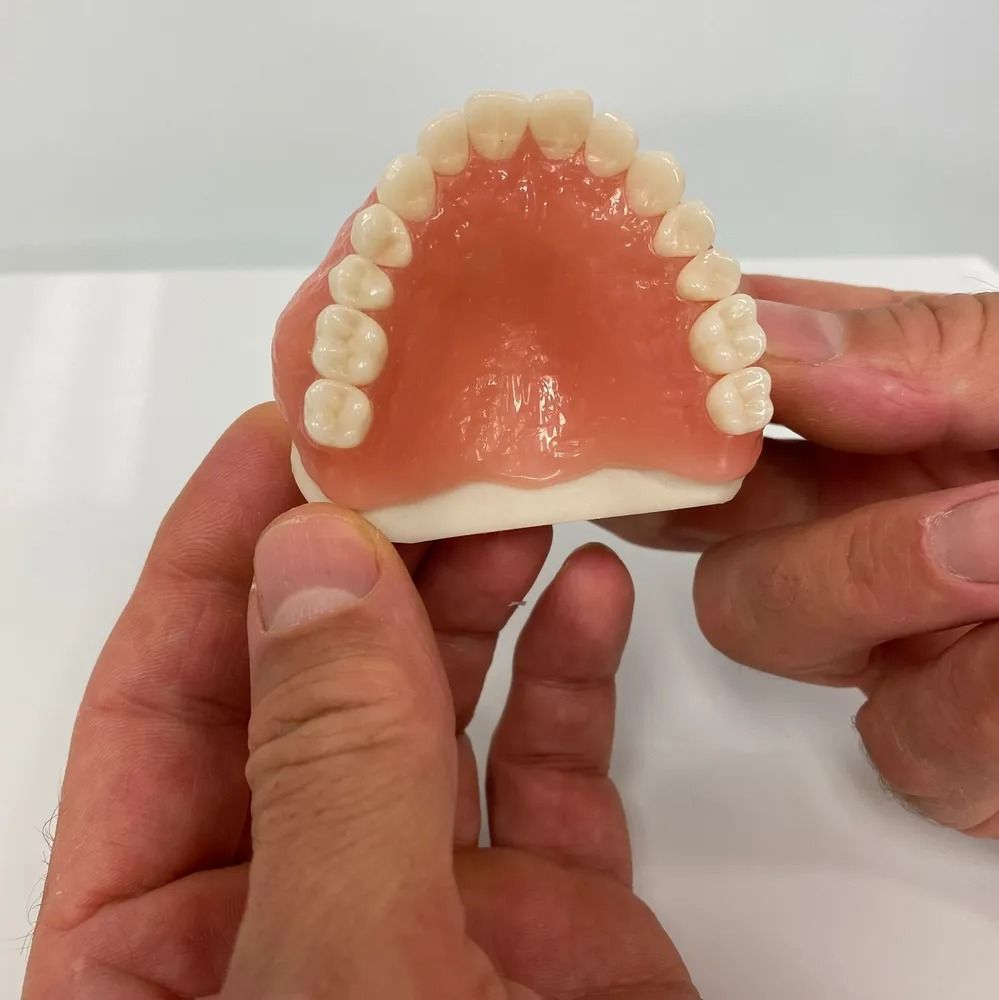
- Wax try-in: you see and feel a wax version of the denture before it's finalised, so tooth shade, shape and fit can be adjusted while changes are still easy to make.
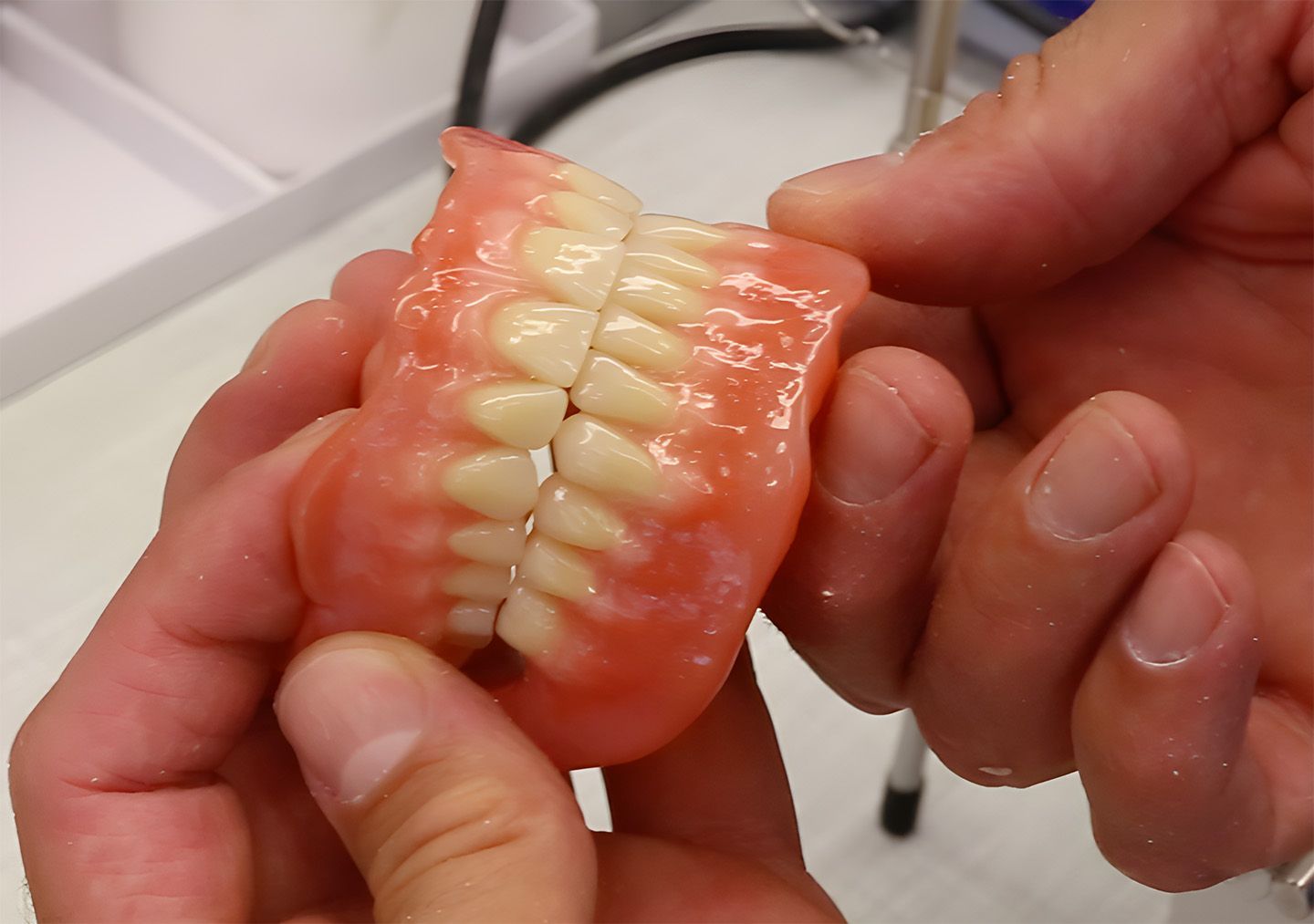
- Final fitting: your clinician places the finished denture, checks for pressure points and makes adjustments on the spot if anything feels tight or uneven.
One decision that comes up early in this process is whether you need a partial or a full denture, which depends on how many natural teeth remain and their condition. Our guide to partial vs full dentures walks through the key differences if you're still weighing that up.
New Dentures Adjustment Period: Speech, Eating And Comfort
This is the part first-timers worry about most, and it's worth being upfront about it: new dentures feel foreign for a while. That's normal, not a sign something's wrong.
Speech. Certain sounds, particularly "s" and "th", can feel slightly off in the first week or two because your tongue and cheeks are learning a new shape in your mouth. Reading aloud for ten minutes a day speeds this up noticeably. Most people stop noticing any difference in their own speech within two to three weeks.
Eating. Start with soft foods cut into small pieces, think scrambled eggs, pasta and steamed vegetables, and chew slowly using both sides of your mouth evenly. Harder foods like apples, crusty bread and steak are best reintroduced gradually over several weeks as confidence and bite strength build.
Comfort and saliva. Increased saliva production in the first few days is common and settles on its own. Mild soreness or a few pressure spots are also typical, which is exactly why follow-up adjustment appointments are built into the process. A well-made denture shouldn't stay painful once your clinician has adjusted it.
Common Concerns For First-time Denture Wearers
A few questions come up in almost every first consultation, so you're not alone if these are on your mind:
- "Will people be able to tell I'm wearing dentures?" Clinicians shape and shade modern dentures to match your natural gum tone and remaining teeth, so a well-fitted denture is genuinely hard to spot.
- "What if it doesn't fit properly?" Adjustment appointments resolve fit issues, and needing one is a normal, expected part of the process rather than a failure of the denture.
- "Will it feel loose?" Some initial looseness is common while your muscles adapt to holding the denture in place, and this improves with wear and, if needed, minor adjustments.
- "What if I lose more weight or my gums change shape?" Gums naturally reshape over the following months, particularly after tooth extraction, which is why a follow-up check a few months in is worthwhile.
How Do You Care For New Dentures?
Ongoing care is simpler than most people expect, but a few habits matter for both comfort and denture lifespan:
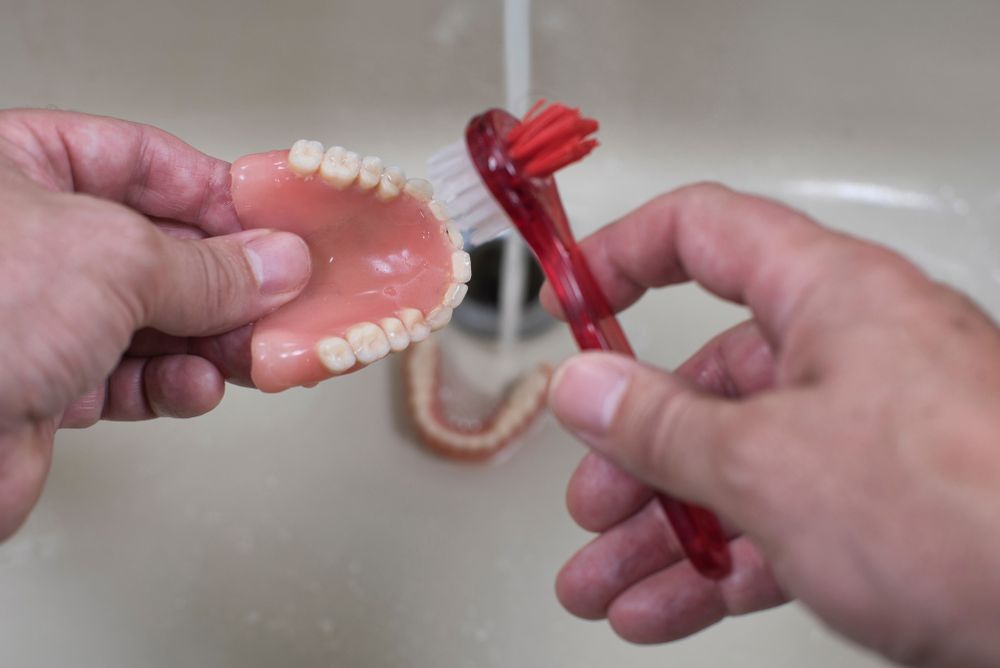
- Remove and rinse your denture after eating to clear away food particles.
- Brush it daily with a soft brush and denture-specific cleaner, not regular toothpaste, which can be abrasive.
- Soak it overnight in a denture-soaking solution to keep it from drying out and warping.
- Keep any remaining natural teeth and your gums clean to avoid irritation or infection.
- Book a check-up if you notice new sore spots, looseness or clicking when you bite. These usually mean a quick adjustment is due, not that something has gone wrong.
Why A Free Consultation And In-house Fabrication Matter For First-timers
For someone getting used to dentures for the first time, two things make a real difference to how smooth the process feels: an unhurried first conversation and not having to wait weeks for adjustments because a lab off-site makes your denture.
A free initial consultation means you can ask every question you have, even the ones that feel silly, before committing to anything. And when a clinic fabricates dentures in-house rather than sending the work to an external lab, adjustments during that critical first-month settling-in period can happen quickly, often on the same day, rather than requiring another two-week wait. This is a common advantage of a smaller, dedicated denture clinic Gold Coast patients often choose over a general dental practice that outsources denture work.
If you're ready to take the first step, our denture clinic Gold Coast patients visit is based in Benowa and we offer a free initial consultation to walk you through your options with no pressure to decide on the spot.
FAQs
How long does it take to get used to new dentures?
Most people adjust to speaking and eating with new dentures within two to four weeks. Full adaptation, including gum tissue settling into its new shape, can take a few months, so it's worth being patient with the process rather than expecting instant comfort.
Do dentures hurt when you first get them?
Some mild soreness or pressure spots are common in the first few days as your mouth adjusts to something new sitting against your gums. Ongoing pain isn't normal, though, and usually means an adjustment appointment is needed to correct a pressure point.
Can you eat normally with new dentures straight away?
Not immediately. Start with soft foods cut into small pieces and build up to firmer textures over several weeks as your bite strength and confidence increase, rather than jumping straight back into tougher foods like steak or crusty bread.
Will my new dentures look natural?
Yes, dentures are custom-shaded and shaped to match your natural gums and any remaining teeth. A well-fitted denture typically isn't obvious to others, and many people find friends and family don't notice at all.
How many appointments does getting dentures take?
Most first-time patients need three to five appointments, covering impressions, bite registration, a wax try-in and the final fitting. The whole process is usually spread across two to four weeks, depending on individual circumstances.
What's the difference between a partial and a full denture?
A partial denture replaces some missing teeth while remaining natural teeth stay in place, while a full denture replaces an entire upper or lower arch. The right option depends on how many healthy teeth remain and their overall condition.