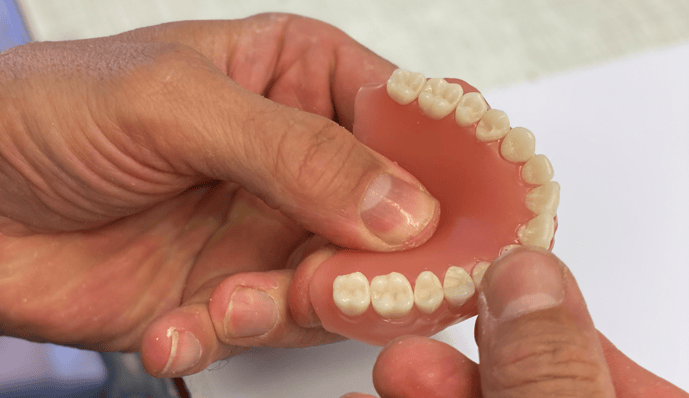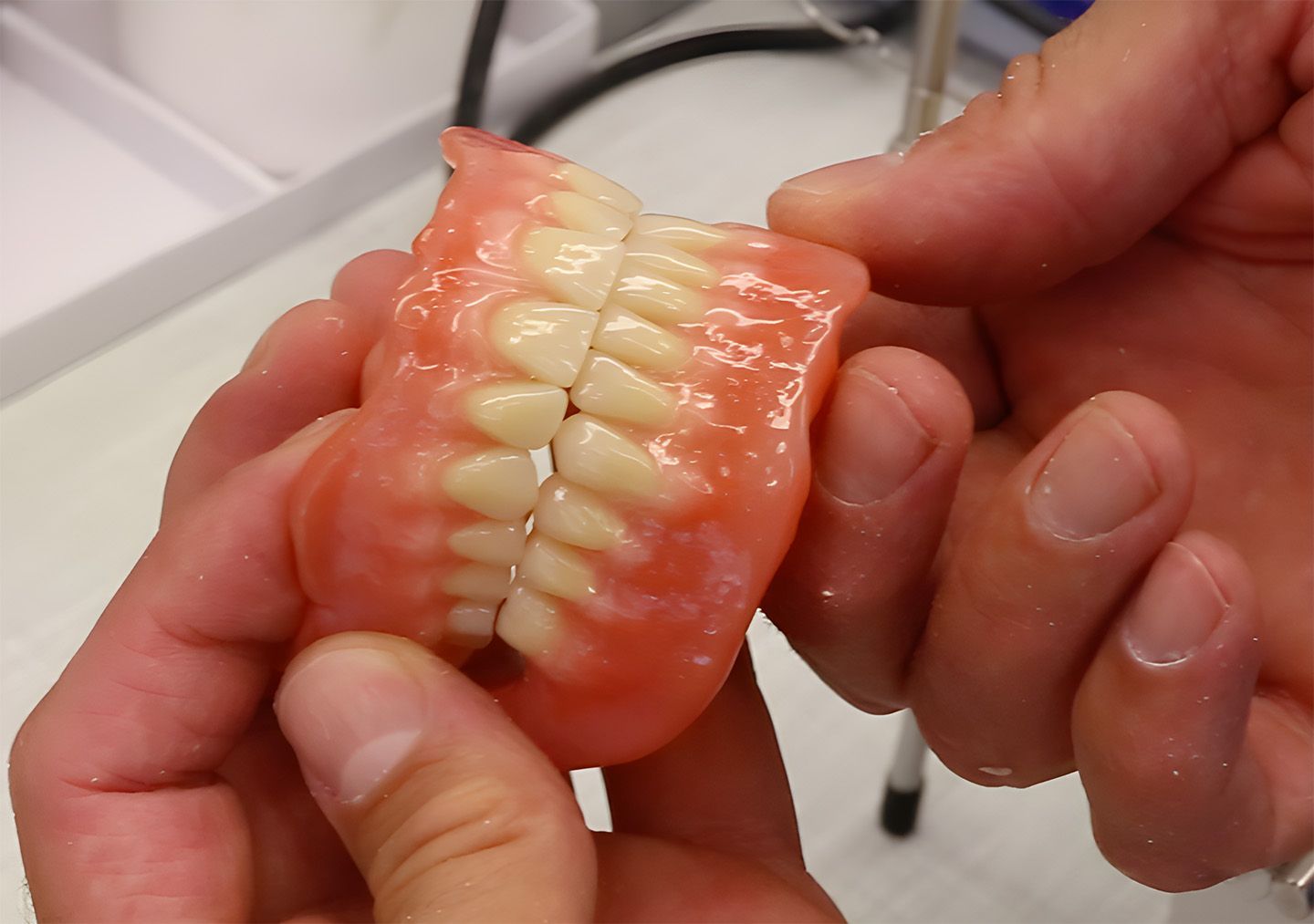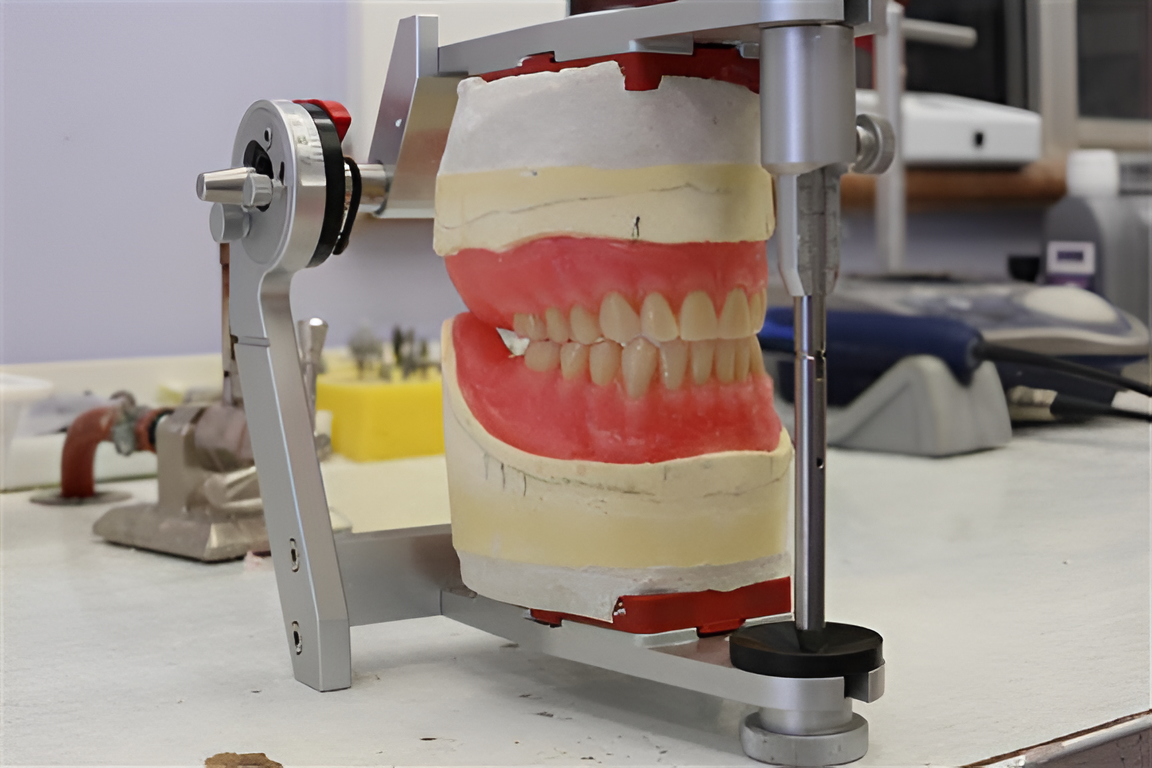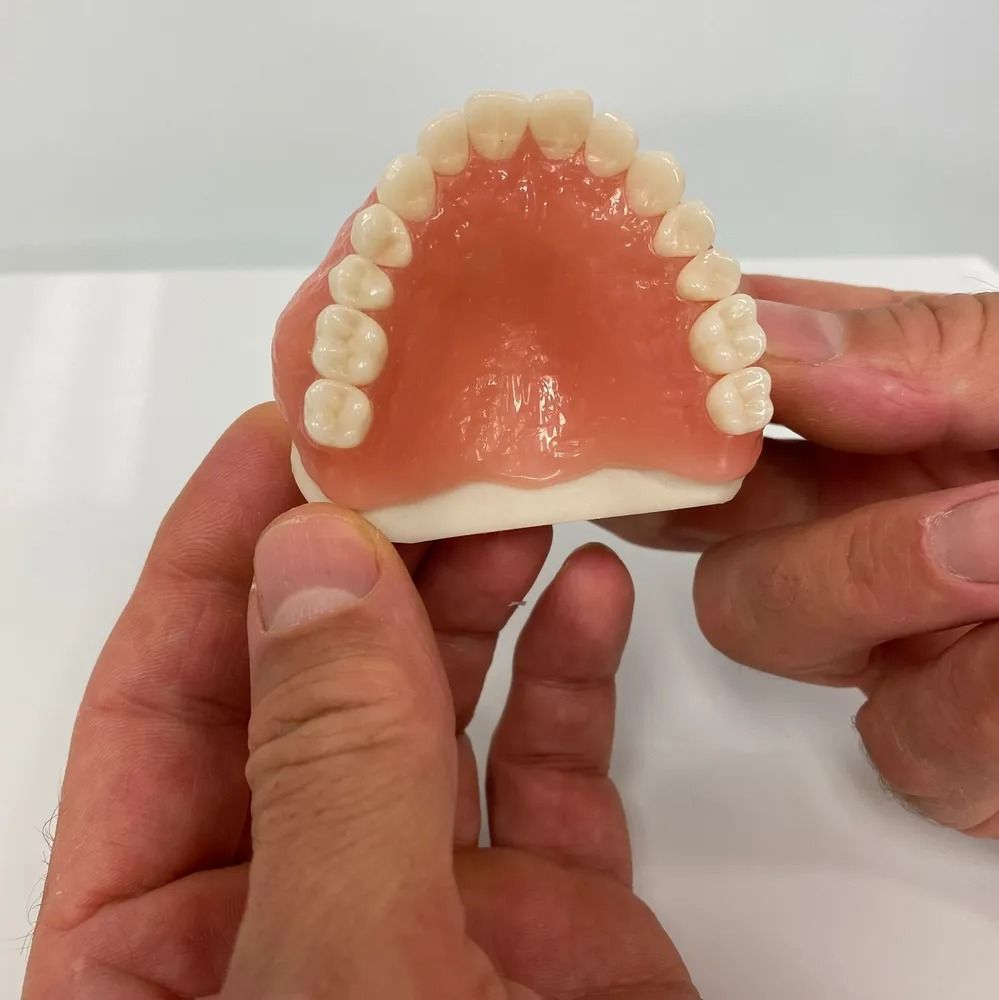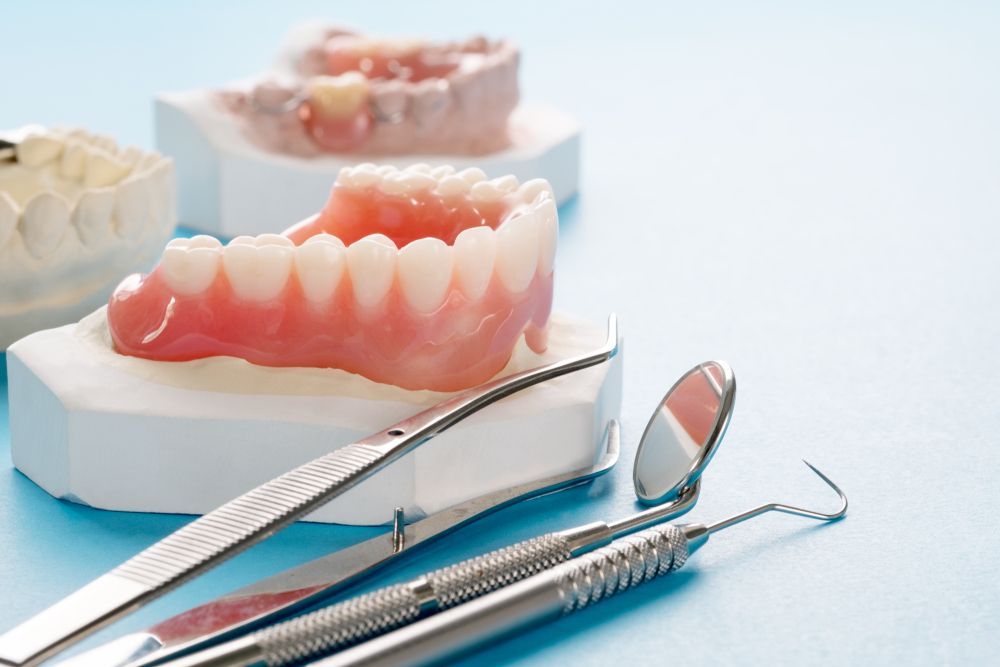
How To Clean Your Dentures Properly
Dentures take on a job that natural teeth used to do without much thought — and like any appliance that works hard every day, they need a consistent care routine to stay comfortable, hygienic, and free of buildup. Many denture wearers pick up habits early on that aren't ideal, often without realising it, simply because there's surprisingly little clear guidance available on
how to clean dentures properly. This guide walks through a practical daily routine, the products worth using and the ones to avoid, how to manage tartar buildup, and what to do if something doesn't feel right.
Why Denture Cleaning Matters More Than People Expect
Dentures sit directly against the gums and soft tissue of the mouth for extended periods each day, and that constant contact means plaque, bacteria, and food particles can accumulate on the denture surface in much the same way they would on natural teeth. Left unaddressed, this buildup can contribute to bad breath, gum irritation, and a condition called denture stomatitis — inflammation of the tissue under the denture, often linked to fungal buildup from inadequate cleaning.
Beyond hygiene, regular cleaning also affects how the denture looks and feels. Stains from tea, coffee, red wine, and tobacco can settle into the surface over time, and without removal, this buildup becomes harder to shift the longer it's left. A consistent routine helps avoid both the cosmetic and the hygiene side of the equation.
The Daily Cleaning Routine
Knowing how to care for dentures starts with a simple, repeatable daily routine rather than anything complicated or time-consuming.
- Remove and rinse after eating — rinsing dentures under running water after meals helps dislodge loose food particles before they have a chance to settle.
- Brush at least once a day — use a soft-bristled brush designed for dentures (or a soft toothbrush) and a non-abrasive denture cleaner, not regular toothpaste, which can be too abrasive for denture material and may cause micro-scratching over time.
- Brush all surfaces — including the parts that sit against the gums, where bacteria and plaque tend to accumulate most.
- Soak overnight — most dentures benefit from soaking in water or a denture-specific soaking solution overnight to help keep the material from drying out and to assist with loosening buildup.
- Rinse thoroughly before reinserting — particularly important if using a soaking solution, as residual chemicals shouldn't be swallowed.
- Clean your gums and remaining natural teeth — using a soft brush on the gums, tongue, and any remaining teeth helps support overall oral health and reduces the bacteria that can transfer back onto the denture.
Products to Use — and Products to Avoid
Not every cleaning product marketed for teeth is suitable for dentures, and using the wrong one can cause more harm than good over time.
Generally suitable for dentures:
- Soft-bristled denture brushes or soft toothbrushes
- Non-abrasive denture-specific cleaning pastes or liquid soaps
- Denture-specific soaking tablets or solutions
- Lukewarm water (not hot — heat can warp denture material)
Best avoided:
- Regular toothpaste, which often contains abrasive particles designed for enamel, not denture acrylic
- Whitening toothpaste, which can be even more abrasive
- Bleach-based products, which can weaken denture material and alter its colour
- Hot or boiling water, which can distort the shape of the denture
- Stiff-bristled brushes, which can scratch the surface and create grooves where bacteria can hide
A scratched denture surface isn’t just a cosmetic issue — those tiny grooves can become a place where bacteria multiply more easily, making the denture harder to keep clean over time.
Natural Cleaning Methods — What Actually Works
There's a lot of interest in how to clean dentures naturally, particularly among people who prefer to limit chemical products. Some natural approaches have reasonable supporting evidence, while others are more myth than substance.
Methods with some support:
- Baking soda paste — mixed with a small amount of water, baking soda can act as a mild, non-abrasive cleaning agent for light surface buildup. It shouldn't be used as a daily substitute for a denture-specific cleaner, but can be useful occasionally.
- White vinegar soak — a diluted vinegar soak (roughly equal parts vinegar and water) for a short period can help with mild buildup, though it shouldn't be left for extended periods due to its acidity.
Methods to be cautious about:
- Lemon juice or other citrus-based cleaning — citrus acidity can be too harsh for denture materials with prolonged or frequent use and may cause damage over time.
- Salt water rinses — fine as a mouth rinse for general oral hygiene, but not a substitute for actual denture cleaning, as it won't remove plaque or buildup from the denture surface itself.
Natural methods can complement a standard routine, but they work best as an occasional addition rather than a full replacement for daily brushing and proper soaking.
How to Remove Tartar Buildup
Tartar — the hardened form of plaque that builds up over time — can be more stubborn to deal with than everyday food residue, and understanding how to remove tartar from dentures safely matters because overly aggressive scrubbing can damage the denture surface.
A few approaches that can help with tartar buildup:
- Soak longer with a denture-specific cleaning solution — many of these products are formulated specifically to help break down tartar and stains over a longer soak time, typically 15–30 minutes or as directed on the packaging.
- Use a denture brush with gentle, consistent pressure — rather than scrubbing hard in one spot, work over the area methodically with light pressure.
- Avoid sharp tools — picking at tartar with anything sharp, including fingernails or metal tools, risks scratching or damaging the denture.
If tartar buildup is significant or doesn’t respond to regular at-home cleaning, this is generally a sign that a professional clean is worthwhile rather than continuing to attempt removal at home. Built-up tartar that’s left untreated can eventually affect the fit and comfort of the denture.
Caring for Partial Dentures Specifically
Cleaning partial dentures involves a few additional considerations because of the clasps and metal framework that help the partial fit around remaining natural teeth.
- Pay attention to the clasps — food particles and plaque can accumulate around metal clasps, and a denture brush with a pointed end can help reach these areas more thoroughly.
- Be mindful of the fit against natural teeth — partials sit closely against remaining teeth, so cleaning both the partial and the adjacent natural teeth helps prevent decay and gum issues in that area.
- Handle with care during removal and insertion — the clasps on a partial denture can bend or weaken with rough handling, which over time affects how securely the partial sits.
Cleaning routines can vary slightly depending on the type — our guide to
partial vs full dentures explains the key differences.
Signs Your Dentures Need Professional Attention
Daily cleaning at home covers most of what's needed, but there are signs that point toward needing input from a dental professional rather than continuing with home care alone:
- Persistent staining that doesn't respond to regular cleaning or soaking
- A change in fit — dentures feeling loose, tight, or shifting differently than before
- Visible cracks or chips in the denture material
- Ongoing bad breath despite a consistent cleaning routine
- Sore spots, redness, or irritation in the mouth that doesn't settle within a few days
- Difficulty cleaning tartar buildup that seems to be getting worse rather than better with home care
If you're unsure whether your dentures need a clean or reline, get in touch with our
denture care in Gold Coast clinic and we'll talk you through the options.
Building Denture Care Into a Long-Term Routine
Beyond daily brushing and soaking, a few habits help support denture maintenance over the longer term. Regular check-ups allow a dentist or prosthetist to assess fit, check for wear, and identify any early signs of issues with the gums or remaining teeth that might not be obvious day to day. Dentures can also change subtly over time as the shape of the gums and jaw shifts, which is part of why periodic adjustment or reline assessments matter even when nothing feels obviously wrong.
At My Denture Clinic, every set of dentures Bundall patients receive is crafted in-house, and our team is always available to answer care questions at a follow-up visit.
Book a Free Appointment
Looking after dentures properly makes a meaningful difference to comfort, hygiene, and how long they continue to fit and feel right. At
My Denture Clinic, we offer denture maintenance Gold Coast patients can book directly with our Benowa team, and we're happy to answer any questions about your cleaning routine or take a look if you're noticing changes in fit.
Book a free appointment with our Benowa team today.