
Book Your Denture Appointment
Thank you for contacting My Denture Clinic.
We will get back to you as soon as possible.
Oops, there was an error sending your message.
Please try again later.
Accessible, in-house denture services.
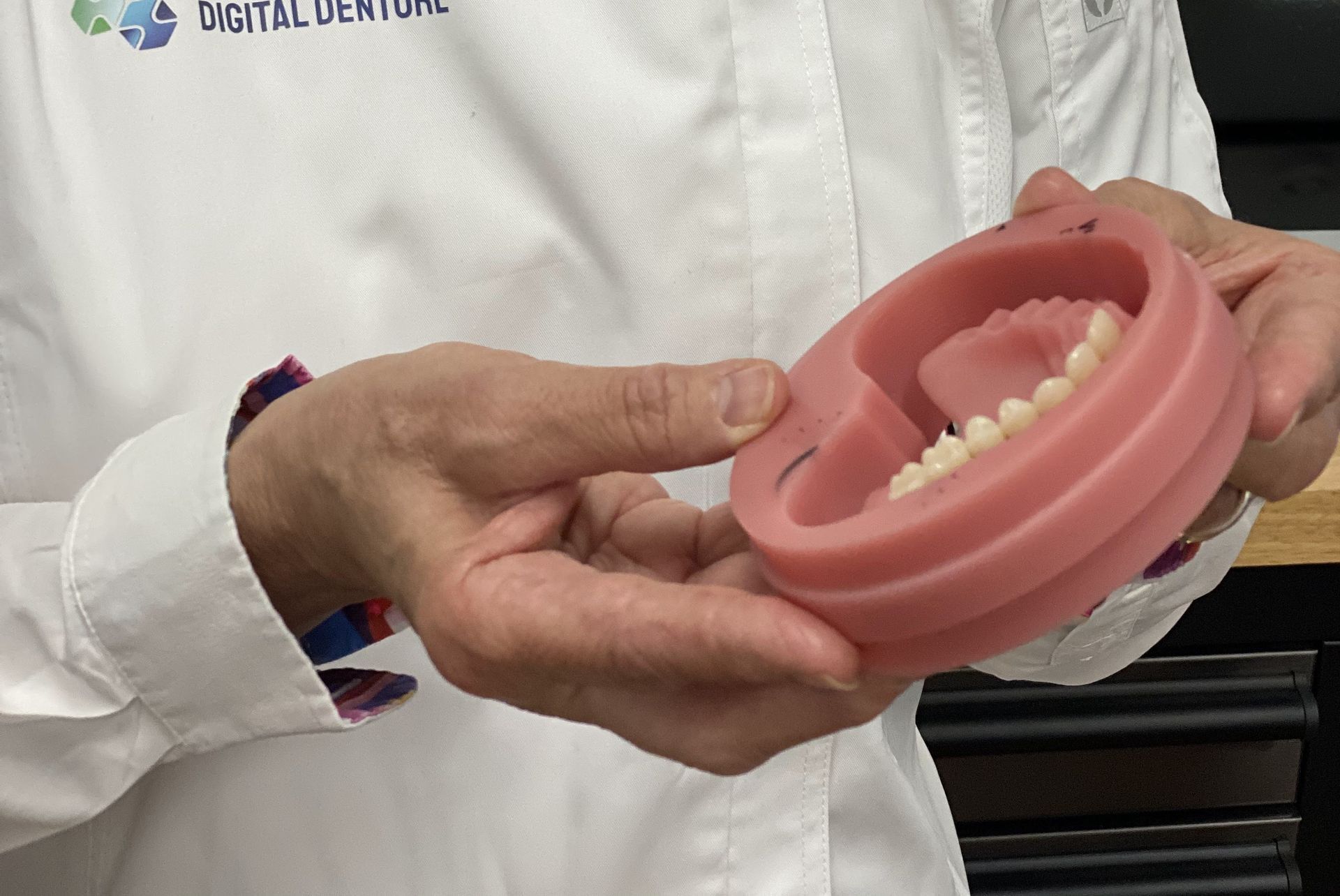
Which Partial Denture Is Right for Me?
The best partial denture is not determined by the material alone.
Before designing your denture, we consider:
- the number and position of your missing teeth
- the condition and position of your remaining natural teeth
- your gums and supporting tissues
- your bite and available space
- retention and stability of the proposed denture
- appearance and visibility of clasps
- your previous experience with dentures
- your preferences and budget
Sometimes an acrylic denture is the most appropriate choice. In another situation, a cobalt chrome framework may provide a thinner and stronger solution. For selected patients, a flexible partial denture may offer advantages.
Our aim is to explain these options clearly so you can make an informed decision about the design that suits you.
Book a consultation with My Denture and we can assess your existing teeth and discuss the different options with you.
Frequently Asked Questions
How are partial dentures fitted?
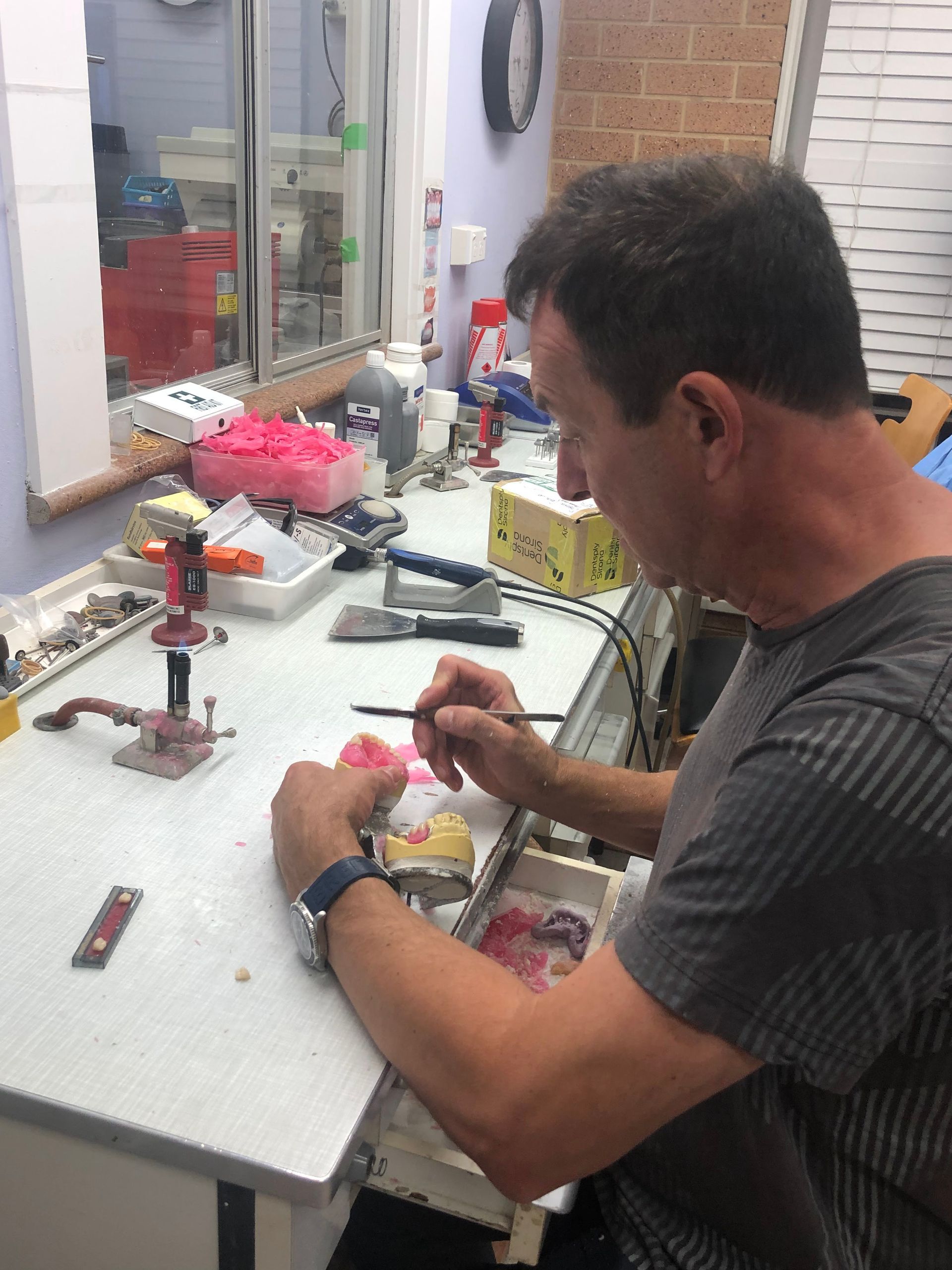
Partial dentures are made by taking impressions of the mouth and designing a framework that holds replacement teeth in place. The denture is fabricated in a dental laboratory using acrylic, metal or flexible materials. Once prepared, the partial denture is fitted in the mouth and adjustments are made as necessary to align with natural teeth and oral structures.
When should partial dentures be replaced?
Partial dentures may need replacing if they no longer fit properly, if they show visible wear or if the natural teeth around them change. Changes in the mouth over time can affect how the denture sits. Many people arrange periodic appointments to have their dentures checked, and replacement may be discussed if adjustments can no longer resolve the issue.
How do you clean partial dentures?
Partial dentures need to be removed from the mouth for cleaning. They are usually brushed gently with a denture brush and rinsed with water. Special non-abrasive denture cleaners may be recommended rather than toothpaste, which can scratch surfaces. Soaking solutions may also be used. Proper cleaning can help reduce plaque buildup and maintain the condition of both the denture and natural teeth.
How We Provide Partial Dentures
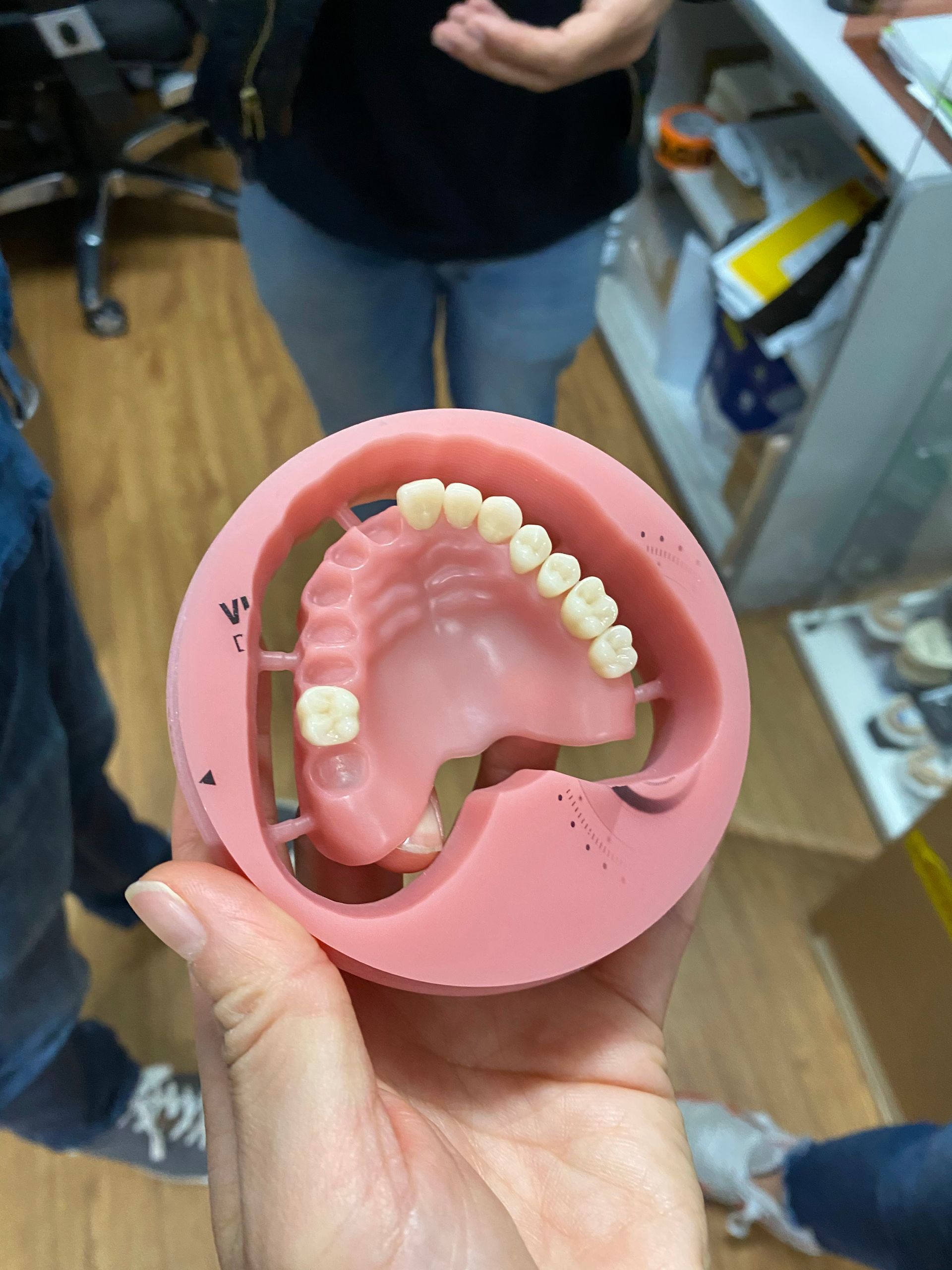
If you are missing one or several teeth but still have healthy natural teeth remaining, a partial denture can help restore your smile, improve chewing and fill the spaces left by missing teeth.
At My Denture, every partial denture is individually designed around your remaining teeth, gums and bite. There is no single material or design that is right for everyone. During your consultation, we assess your mouth and discuss the different options available before recommending a solution that suits your needs.
We offer acrylic, cobalt chrome and flexible partial dentures, with all denture work completed in our own laboratory.
Acrylic Partial Dentures
Acrylic partial dentures are a practical and versatile option for replacing one or more missing teeth. The replacement teeth are set into an acrylic base designed to fit around your remaining natural teeth.
Acrylic dentures can often be modified relatively easily if your dental situation changes. In some cases, additional teeth can be added to an existing denture if another natural tooth is lost.
They can be particularly useful as a transitional or immediate solution, although they are also used as a longer-term option for many patients.
Because acrylic needs sufficient thickness for strength, an acrylic partial denture can sometimes feel bulkier than a metal-framed alternative. Depending on the individual design, clasps may be used to help keep the denture in position.

Metal Partial Dentures
Cobalt chrome partial dentures use a strong, accurately fitted metal framework to support the replacement teeth and acrylic gum areas.
The strength of the metal allows the framework to be made relatively thin, which can make the denture feel less bulky in the mouth. A carefully designed framework can use suitable remaining natural teeth for support and retention.
Cobalt chrome dentures are strong and durable, but they are not suitable for every mouth. The health and position of the remaining teeth, available space, bite and other clinical factors all need to be considered before choosing this type of denture.
Flexible Partial Dentures
Flexible partial dentures are made from resilient thermoplastic materials rather than conventional rigid acrylic.
Their flexibility can make them useful in selected cases, particularly where the shape or position of the remaining teeth makes a conventional design difficult. Tooth-coloured or gum-coloured retentive areas may also be less noticeable than conventional metal clasps.
At My Denture, we work with a range of flexible and modern denture materials, including DuraFlex and Valplast, as well as newer materials used in digital denture manufacturing.
Flexible dentures have advantages, but they are not automatically the best choice for every patient. Their suitability depends on your remaining teeth, gums, bite and the particular area where teeth need to be replaced.