When most people think about dentures, they picture the finished result rather than what goes into making one. But the materials, laboratory processes and technologies used in denture fabrication have a real impact on how well a denture fits, how comfortable it is to wear and how long it lasts. Understanding the basics of what goes into a modern denture helps patients have more informed conversations with their prosthetist and make better decisions about their care. This guide covers the main materials used in contemporary dentures, what the key laboratory processes involve and what to expect when visiting a clinic that handles fabrication in-house.
What Materials Are Used in Modern Dentures?
The materials used in a denture depend on the type of appliance, the number of teeth being replaced and individual clinical considerations. The most common options are acrylic resin, cobalt chrome metal frameworks and flexible nylon-based products.
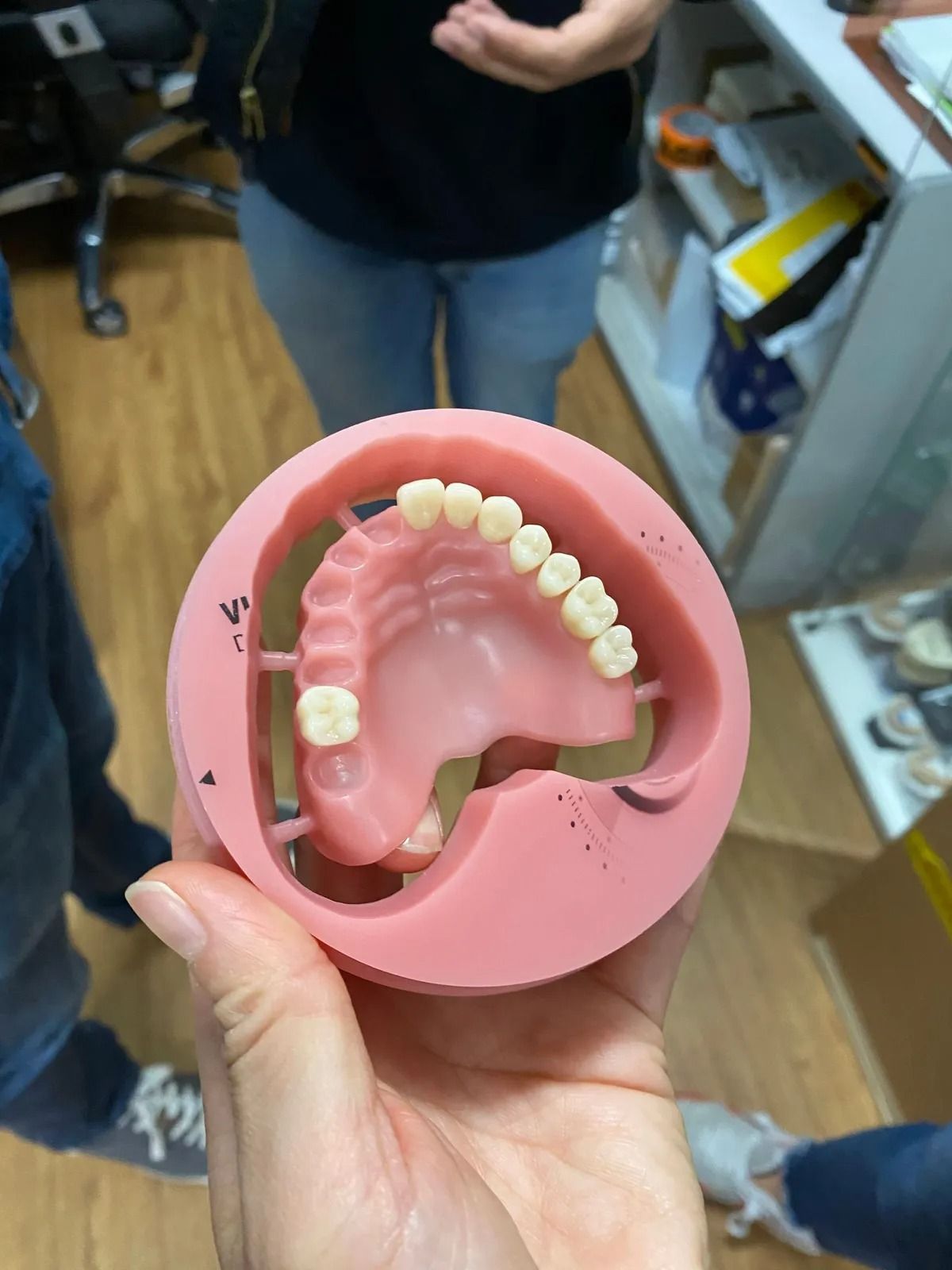
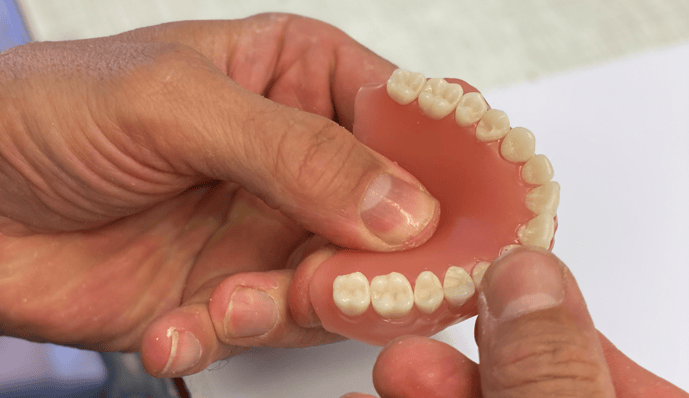
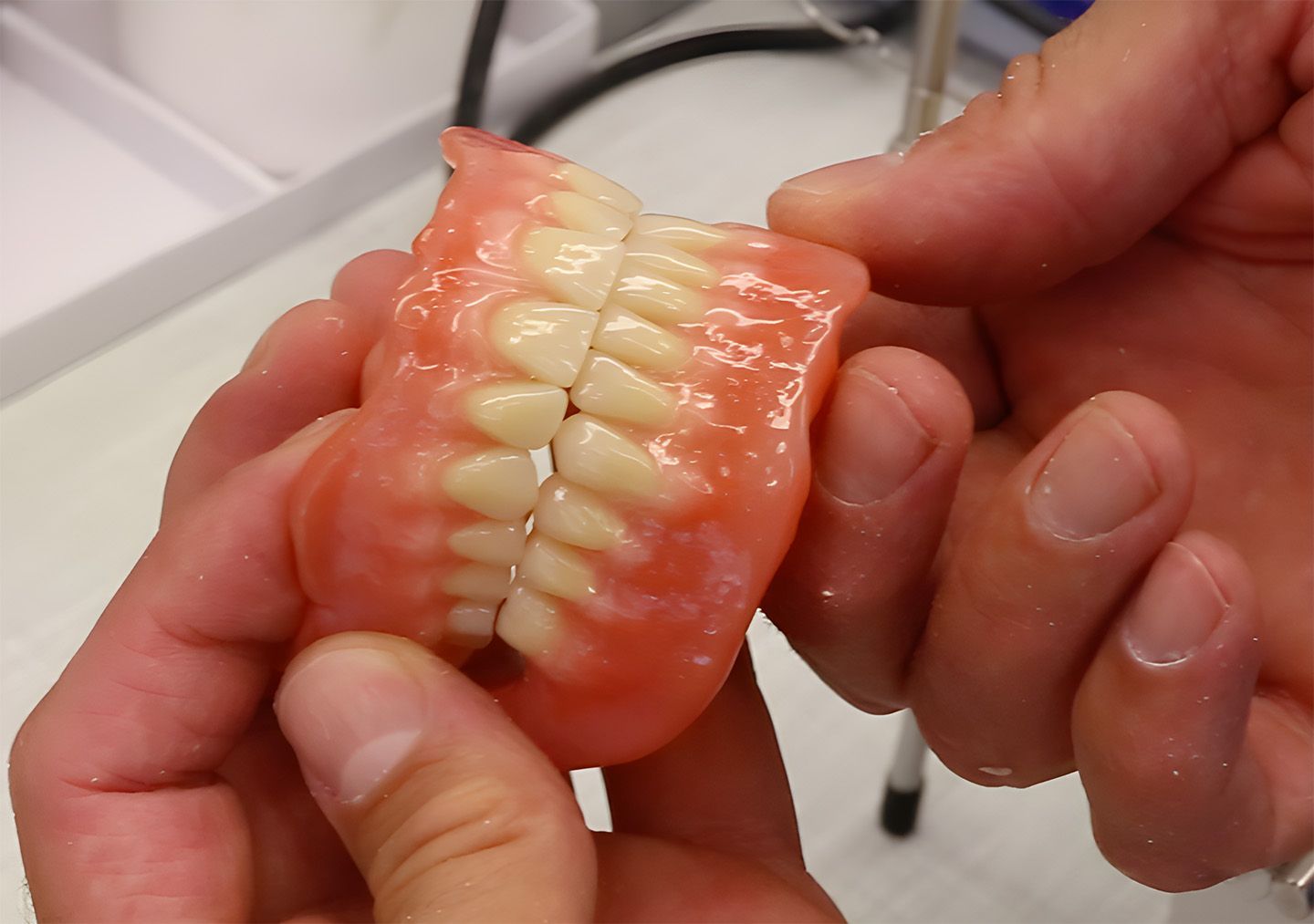
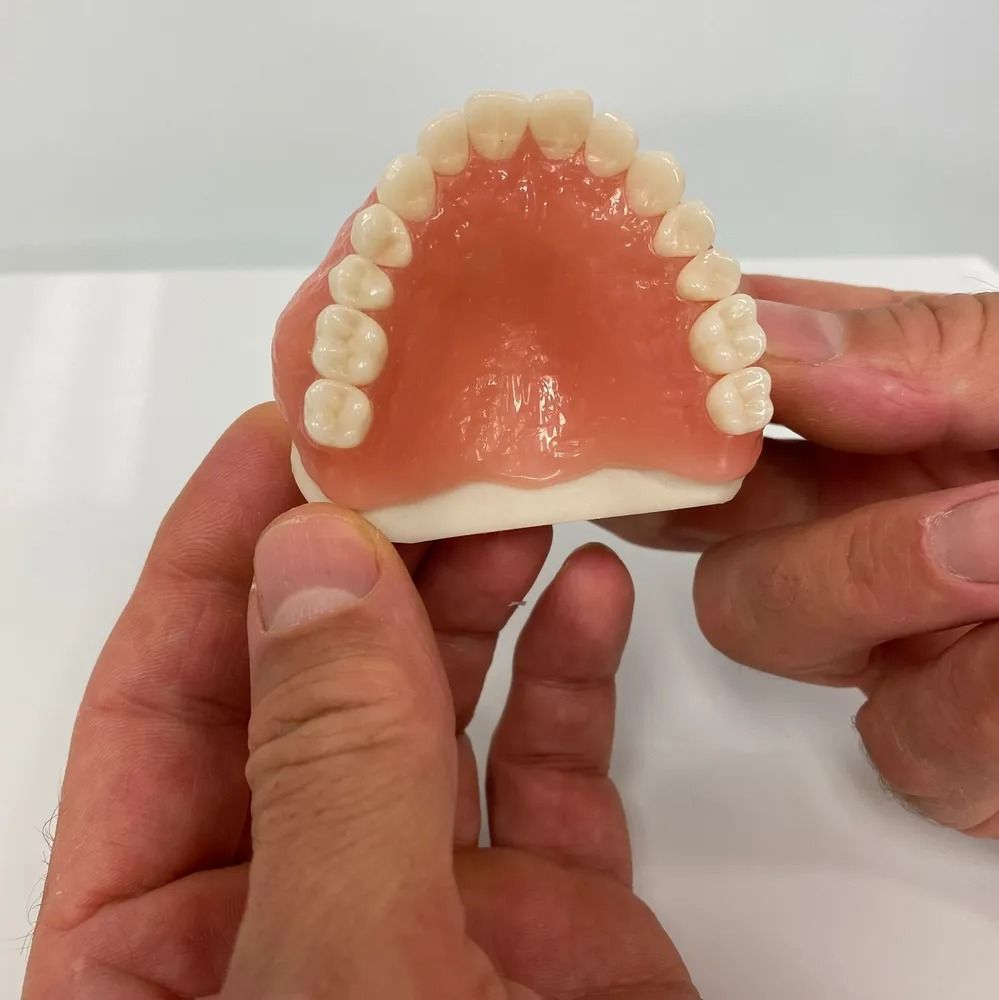
Acrylic resin is the most widely used material and forms the base of most full dentures. It can be shaped, colour-matched to natural gum tissue and adjusted or repaired in a laboratory setting, making it a practical and versatile choice for complete denture bases.
Cobalt chrome is used in the frameworks of partial dentures. Its strength allows for a thinner, more precisely engineered structure than acrylic alone, which typically improves comfort and the overall fit of the appliance. Cobalt chrome frameworks are cast to match the patient's existing teeth and oral structure.
Flexible nylon may be used in lightweight partial denture designs where a more adaptable alternative to a metal framework is appropriate. Whether it is suitable depends on the clinical situation and is something to discuss directly with a prosthetist.
What Is a Soft Lining?
A soft lining is a flexible material added to the base of a denture to make it more comfortable against the gums. It is usually made from silicone-based or similar soft polymers and can be incorporated during the fabrication process or added later as part of an adjustment. Soft linings are commonly used for patients with sensitive oral tissues, as they allow the denture to distribute pressure more evenly across the gums.
Over time, the soft lining material can degrade or harden and may need to be refreshed or replaced as part of ongoing maintenance. Whether a soft lining is the right option is a clinical decision made in consultation with the prosthetist based on each patient's individual needs.
How Has Denture Technology Changed Over Time?
Denture technology has progressed significantly from its origins in hand-carved ivory and wooden models. Today, acrylics, metals and flexible materials are the standard, and in some clinics, digital scanning and computer-aided manufacturing are used to improve design accuracy. These developments have given prosthetists a wider range of methods and materials to draw on, allowing for more tailored approaches depending on what is most appropriate for each patient.
That said, the core laboratory skills involved in casting metal frameworks, processing acrylic and fitting soft linings remain central to the process regardless of the specific technology applied. Choosing the right approach involves both technical knowledge and clinical judgement, and it is not a one-size-fits-all decision.
Laboratory Processes Involved in Denture Making
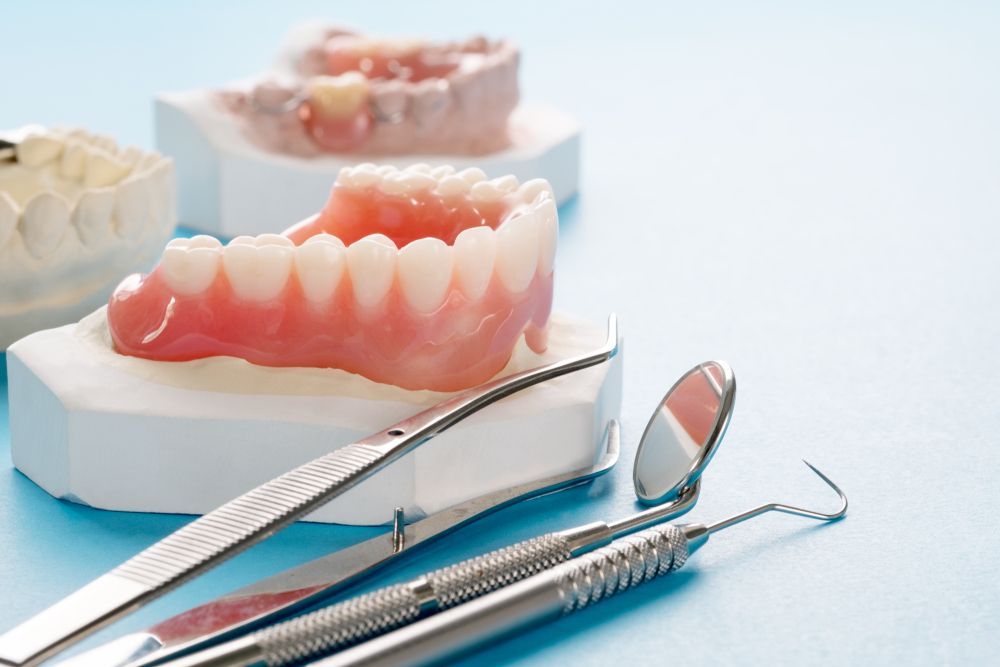
Making a denture involves a sequence of laboratory steps that translate clinical impressions and measurements into a finished appliance. For metal partial dentures, this includes casting the cobalt chrome framework, finishing and polishing it, and then adding the acrylic base and denture teeth. For full acrylic dentures, the process includes creating trial versions to assess appearance and bite before processing the final appliance.
Relines — used to refit an existing denture to changed gum contours — involve taking a new impression through the existing denture and adding fresh acrylic or soft lining material to the base. Mouthguard fabrication uses some of the same laboratory techniques and materials as denture work.
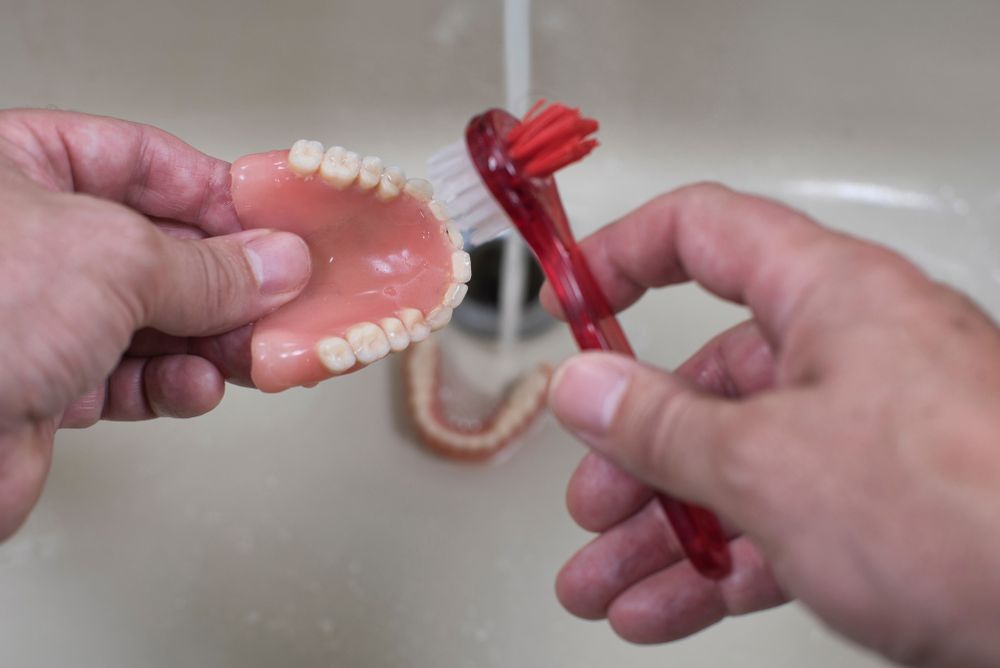
Beyond fabrication, laboratory techniques are also applied in the adjustment and maintenance of existing dentures, including reshaping acrylic bases and refreshing soft linings as part of ongoing care.
At My Denture Clinic, all of this work is completed in-house. Every stage of the fabrication process is handled directly by the clinical team, which means adjustments can be made more efficiently and patients have a clear line of communication with the people working on their appliance.
What to Expect at a Denture Appointment
At an appointment, the prosthetist will discuss the available technologies and material options based on the type of denture required and the patient's individual circumstances. This includes options for full and partial dentures, as well as related treatments such as relines and soft linings. Patients are encouraged to ask questions about the materials and processes involved so they can make informed decisions about their care.
My Denture Clinic operates from a Benowa clinic on the Gold Coast and has additional locations in Tamworth, Armidale and Inverell, making in-house denture services accessible to patients across a broad area.
Book a Free Appointment
If you have questions about denture materials, technologies or what your treatment might involve, the team at
My Denture Clinic is happy to discuss your options.
Book a free appointment at a location near you to get started.